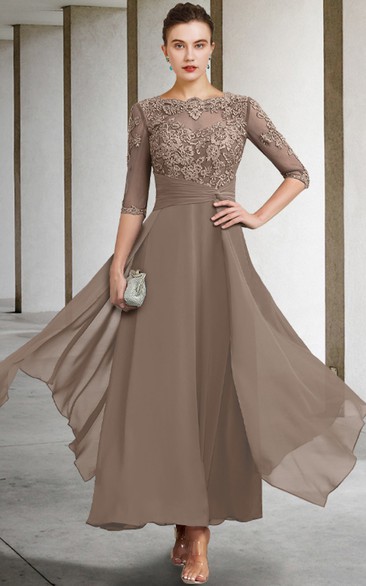
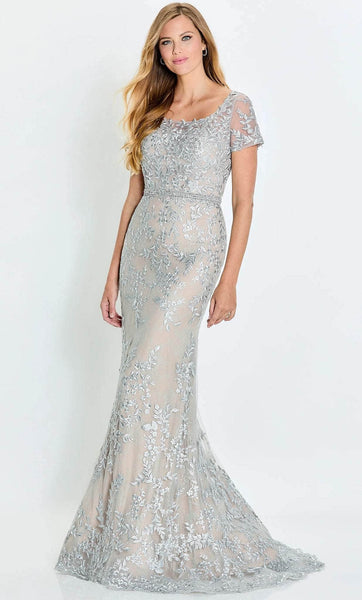
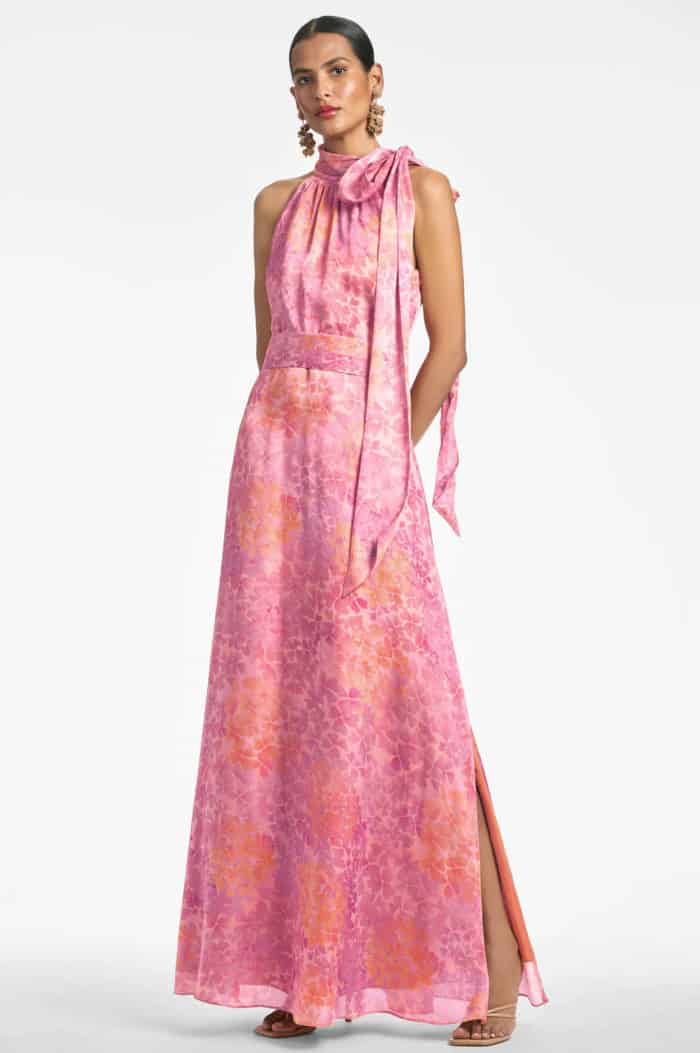
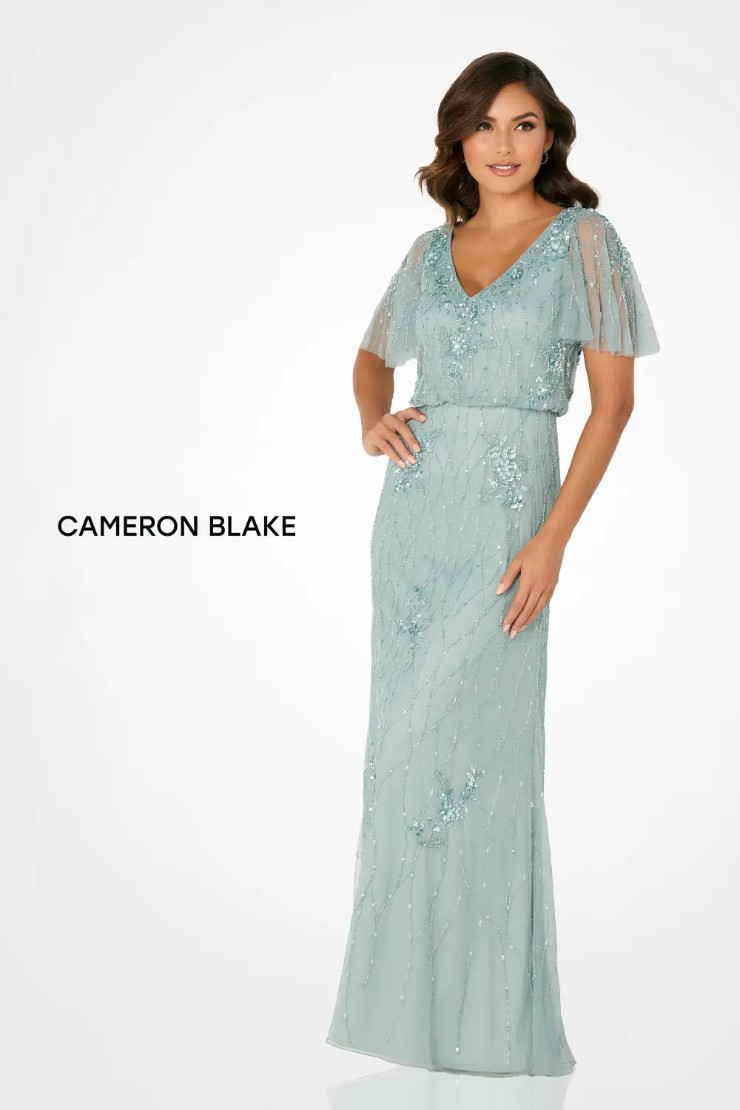
The flowing silhouette of the dress adds an ethereal touch to the overall look, making it a favourite among women who appreciate timeless elegance
Transitioning all of your go-to summer and fall dresses into chic winter styles can be as simple as matching them with a great pair of boots and some tights turning even the flimsiest dress into a darling winter look that packs ample warmth and style
and resisting the urge to pack it tightly in the baking dish
Style with strappy heels and statement earrings as seen on the model for a refined evening ensemble

Grain and cut direction I keep the sleeve on-grain when possible for consistent hang I avoid mixing grain directions across left and right sleeves For bias-heavy looks, I plan extra stabilization at hem Sleeve cap and armhole balance Too much bicep tightness causes drag lines that pull the sleeve flare Too little control causes the sleeve to rotate around the arm I adjust not only width, but also the sleeve pitch Hem finishing options and what they really do Narrow double turn hem: clean and stable in poplin and crepe Baby overlock + turn: fast but can wave in soft viscose Rolled hem: pretty and light, but looks cheap if tension is wrong Faced hem: best for dramatic flare, adds weight and shape Binding: good for contrast looks, adds cost and stitch time A construction decision table I use Stress points that need reinforcement Underarm seam join sleeve hem seam overlap any slit or opening at cuff Common bulk defects and my fixes Wavy cuff hem: reduce hem tension, use facing, control steam Twisting sleeve: correct sleeve pitch, check grain, balance cap Puckered seam: adjust needle size, thread tension, stitch length Elbow tightness: add ease above flare, not only at cuff How do I style bell-sleeve A-line dresses for wholesale drops, and what details increase conversion